Premier Career-Related Immigration Attorney: Your Manual to Tackling Immigration Processes
Navigating through the complexities of employment-based immigration demands expert direction. The appropriate attorney can greatly influence the result of travel permit applications. With various travel permit types and regularly changing rules, comprehending the landscape is essential. Both employers and employees alike encounter common obstacles that could obstruct their goals. Which factors should individuals think about when choosing an immigration lawyer? Examining these elements will clarify a clearer route through the travel permit submission procedure.
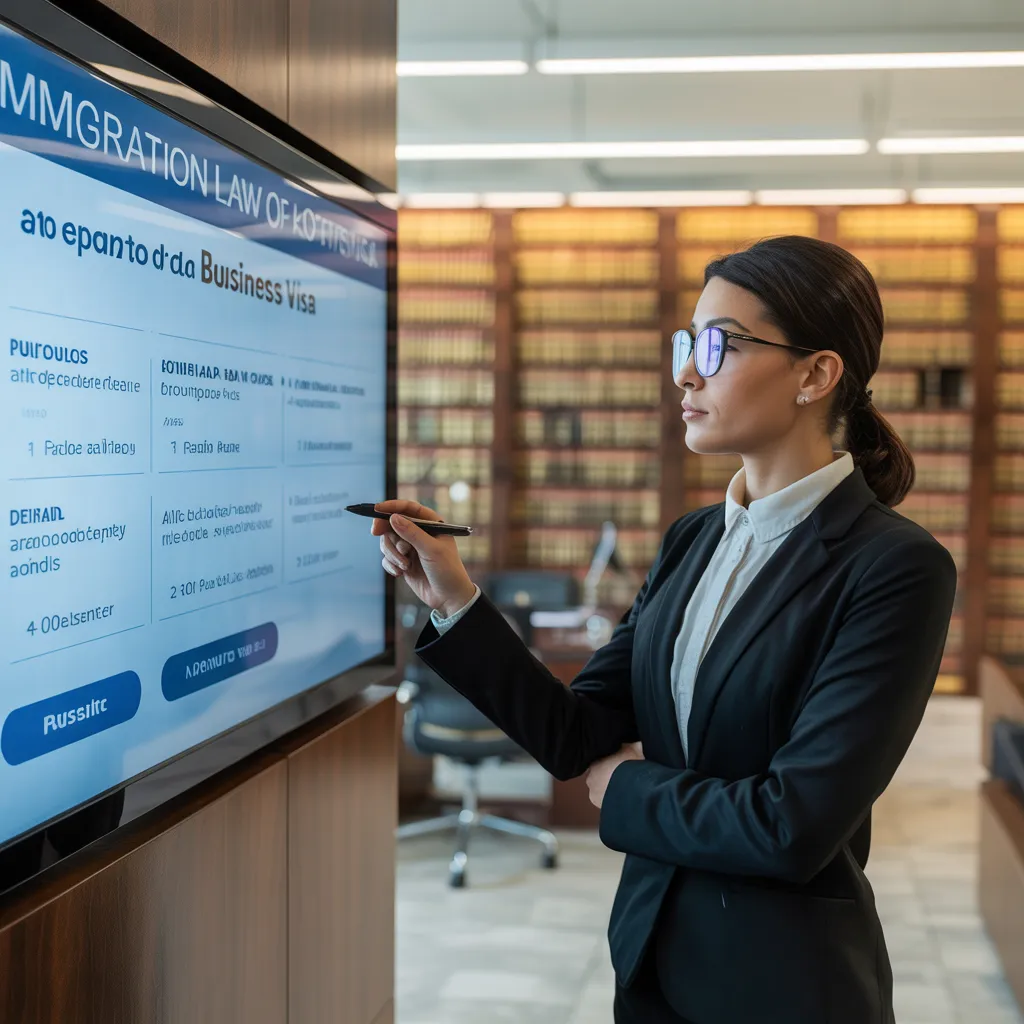
Main Types for Career-Related Immigration
When evaluating employment-based immigration, understanding the various types is essential for both employers and prospective employees. Several significant categories enable this process, each designed to specific circumstances. The H-1B is one of the most recognized, permitting U.S. companies to employ foreign workers in specialty occupations that require theoretical or technical expertise. The L-1 allows intra-company transferees to work in the U.S., ideal for multinational companies. Another significant category is the O-1 , which is designated for individuals with extraordinary ability or achievement in their field. Additionally, the EB-2 and EB-3 offer pathways for skilled workers and professionals seeking permanent residency based on employment. Grasping these types helps both parties navigate the complexities of employment-based immigration effectively, ensuring compliance with legal requirements and improving the hiring process.
Typical Hurdles in Work Immigration and Answers
Navigating the complexities of employment-based immigration offers numerous typical challenges that can impede both companies and workers. One significant hurdle is the ever-changing immigration rules, which can create confusion and uncertainty. Companies may have difficulty to stay updated on these updates, leading to potential regulatory issues. Furthermore, extended processing times for work permit can postpone hiring, affecting corporate activities.
A further challenge presents itself in the paperwork demands. Applicants frequently encounter difficulties gathering the necessary paperwork, which can lead to deficient submissions and subsequent rejections. In addition, a shortage of transparent dialogue between companies and employees can exacerbate confusion regarding the immigration procedures.
To tackle these challenges, companies can allocate resources for training for HR staff on immigration matters and establish clear communication channels. Seeking professional guidance from experienced immigration attorneys can also simplify the process, guaranteeing that both parties navigate the complexities efficiently and accomplish their immigration objectives.
Locating the Ideal Migration Lawyer for Your Requirements
What approaches can someone confirm they identify the right immigration attorney to manage the complexities of employment-based immigration? First, potential clients should examine the attorney's background and expertise in employment-based cases. A qualified attorney will exhibit a deep comprehension of immigration laws and procedures relevant to employment .
Secondly, requesting referrals from trusted sources can provide useful information into an attorney's track record and performance. Online reviews and testimonials can also help assess client satisfaction.
Furthermore, it is necessary to set up consultations to determine communication styles and mutual suitability. An competent attorney should be approachable, communicative, and capable of articulating difficult legal information in a clear manner.
To wrap up, clients should discuss pricing arrangements from the start to avoid unexpected costs. By taking these elements into account, people can confidently select an immigration lawyer who satisfies their specific needs and expedites a easier immigration process.
Understanding the Travel Authorization Application Process: What to Expect
What steps should one expect during the application procedure? Initially, candidates must identify the appropriate type based on their employment status. After determining the correct category, they should gather necessary paperwork such as employment offers, academic credentials, and any required endorsements from employers.
Applicants will need to complete the application form next, which often includes thorough personal and professional information. Once the form is turned in, applicants commonly pay the associated fees. Thereafter, interviews may be scheduled, where applicants can prepare to answer questions about their qualifications and intentions in the host country.
Finally, after the interview, applicants wait for a decision, which can vary between approval to rejection. Throughout this procedure, keeping open dialogue with an immigration attorney can help manage any complications that arise. Understanding these procedures can streamline the application journey, increasing the likelihood of a successful outcome.
Real Successful Examples in Employment-Based Immigration
Proceeding through the approval procedure can be discouraging, but many individuals have successfully secured employment-based , reshaping their occupational pursuits. Take, for example, Maria, a software engineer from Brazil. After a protracted application timeline, she acquired an H-1B , facilitating her to work for a leading tech firm see now in Silicon Valley. This opportunity not only advanced her job trajectory but also strengthened her personal life.
In the same way, Raj, an Indian physician, surpassed many hurdles to acquire a J-1 for a medical residency in the United States. His commitment and perseverance ultimately led him to secure a permanent position in a renowned hospital, realizing his dream of working in medicine in America.
These real success stories highlight the impact of employment-based immigration, proving how committed professionals can navigate complex processes and attain their objectives, helping to diverse firms and locales across the country.

Regular Commonly Asked Questions
What Qualifications Should I Look for in an Immigration Lawyer?
When seeking an immigration attorney, one should prioritize relevant experience, a solid history with comparable matters, clear communication skills, positive client reviews, and current understanding of immigration laws and procedures. Credentials matter significantly.
How Much Time Is necessary to process Your Application?
The approval procedure typically takes several months, depending on the type and particular circumstances. Variables such as review periods, essential paperwork, and potential backlogs can greatly determine the total length of the application.
Are There Age Restrictions for Work-Based Immigration Applicants?
Individuals applying for employment-based immigration do not typically face specific age constraints. That said, particular categories may account for age-related considerations, for example eligibility for specific programs or benefits, and these can differ depending on individual circumstances.
May I lodge multiple Types concurrently?
Yes, an applicant can file multiple types concurrently. However, each application must fulfill specific standards and regulations. Consulting an immigration lawyer can help navigate the complexities of submitting various applications successfully.
What Are the Expenses Involved in Hiring an Immigration Attorney?
Hiring an immigration attorney typically involves costs for initial meetings, document preparation, and representation. Costs can vary considerably based on the attorney's experience, the complexity of the case, and geographic location, often spanning hundreds to thousands of dollars.